
How I Ended Up Writing and Publishing My First Book
I didn’t set out to write a book.
There was no master plan, no childhood dream of becoming an author, no quiet afternoon where inspiration gently tapped me on the shoulder. What I had instead was another homeschool day that didn’t go according to plan—and the familiar feeling that I was constantly trying to make systems fit a life they weren’t designed for.
If you homeschool, you know the feeling.
You’re doing your best. You’re juggling lessons, life, interruptions, personalities, and expectations—most of them your own. And somehow, the tools that are supposed to help you feel organized just… don’t.
That’s where this story really begins.
The Problem No One Was Solving
I tried the planners. Truly. I wanted them to work.
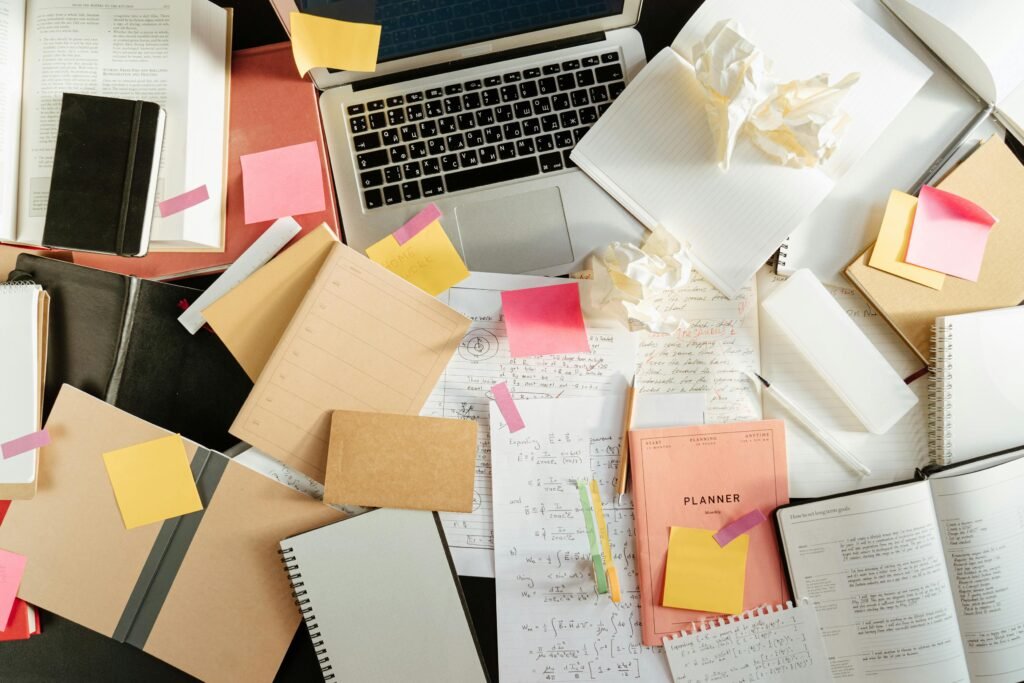
They were beautiful. Minimal. Thoughtfully designed. Full of promise. And for about a week or two, I’d convince myself this one was different.
Then real life would show up.
A sick kid. A day that unraveled before noon. A lesson that took twice as long as expected. A week where nothing fit into the neat little boxes on the page.
Those planners weren’t built for flexibility—they were built for an idealized version of homeschool life. One where every day flows smoothly and nothing unexpected happens.
But homeschool life isn’t tidy. It’s lived-in. It shifts. It breathes.
And I was exhausted from feeling like I was failing simply because the system didn’t fit me. Exhausted by the pressure I had self-created by completely mapping out our days, only to find that now our schedules were completely ruined.
Quietly Creating What I Needed
So I stopped trying to make the planners work—and started adjusting them instead.
I crossed things out. Rewrote sections. Ignored pages that didn’t serve us. I at times, completely taped or stickered over them and created my own pages. Added notes in margins. Changed the order of things. Created rhythms instead of rigid schedules.
At first, it was just survival.
Then it became habit.
Then it became a system.
Year after year, I refined it. Not to make it prettier—but to make it livable. Something that could hold both structure and grace. Something that didn’t punish you for being human.
And without really noticing it at first, I stopped dreading planning altogether. As a homeschool mom, planning isn’t about perfection—it’s about creating a system that can flex with real life.
When It Became Bigger Than Me
At some point, people started asking questions.
“What planner do you use?”
“How do you keep everything straight?”
“Can you show me how you plan your week?”
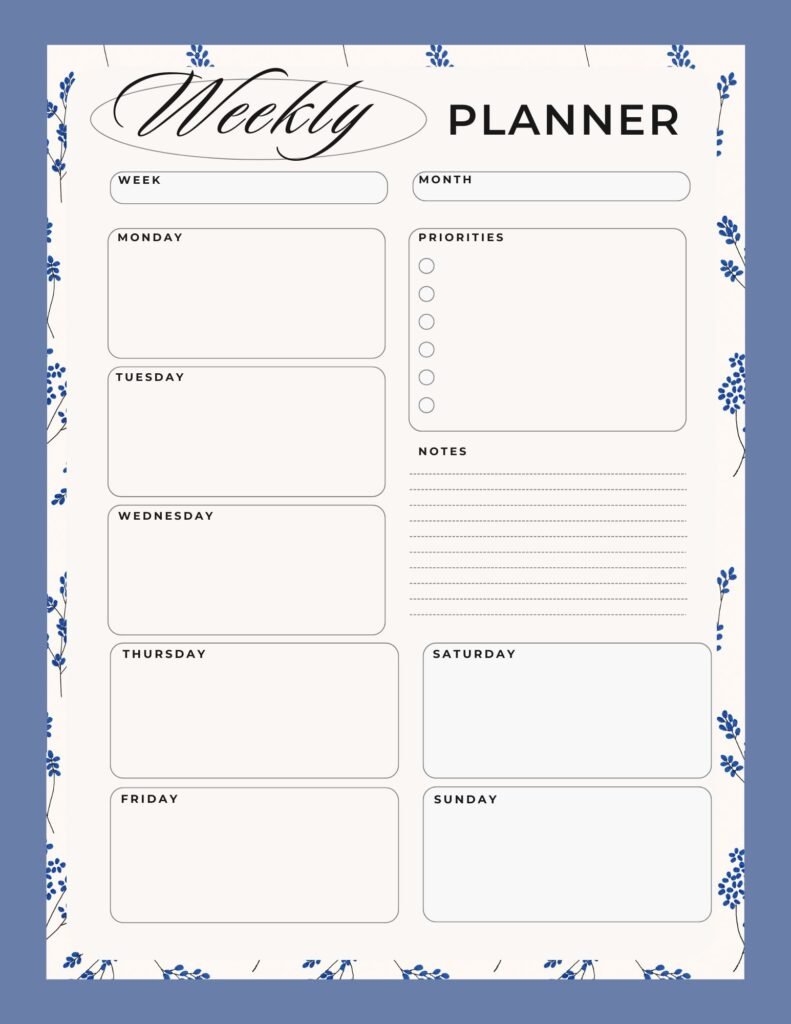
I realized I didn’t have an easy answer—because what I was using didn’t really exist. Not in a way you could buy off a shelf.
What I had built was deeply practical, deeply personal, and shaped by real homeschool days—not theories or trends.
That’s when the idea shifted from this works for us to this might help someone else too.
And that thought was both exciting and terrifying.
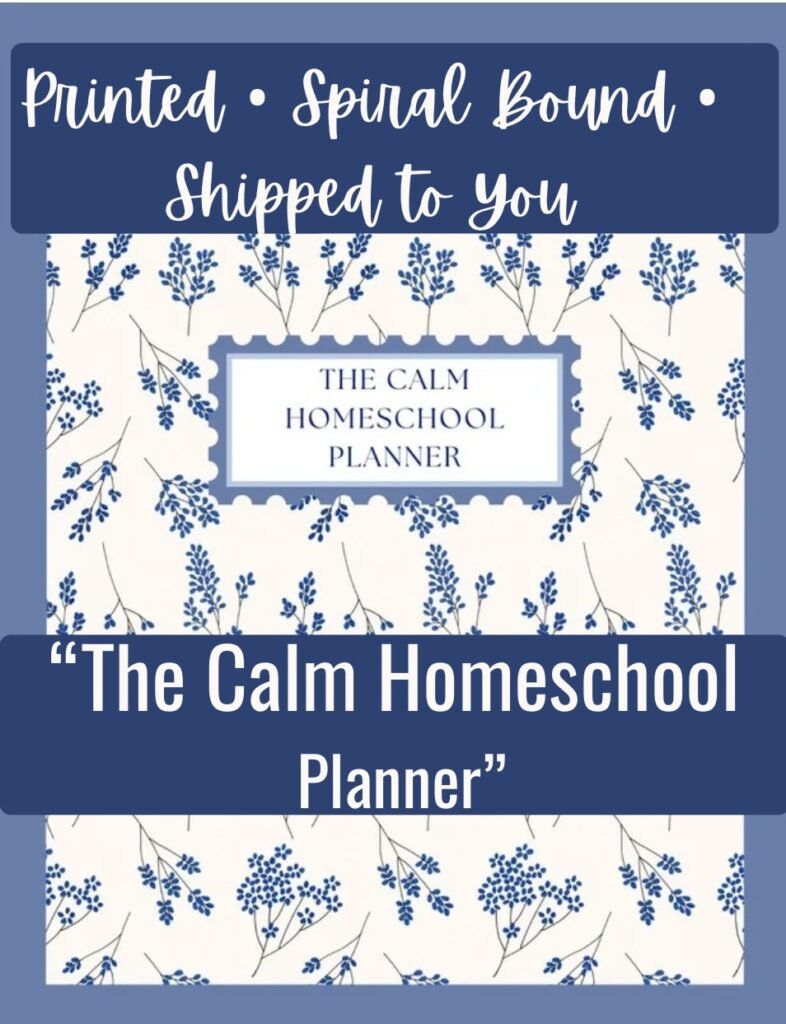
At the time, I didn’t realize I was building something others would eventually ask for. I was simply solving a problem I faced every single homeschool year. Looking back now, I see that those small adjustments became the foundation for the planner I eventually published.
Deciding to Turn It Into a Book
Putting something you’ve quietly relied on into the world is vulnerable and so very scary.
Suddenly, the questions get louder:
- Is this enough?
- Who am I to create this?
- What if no one needs it?
- What if no one like it?
But here’s what kept pulling me forward:
I wasn’t creating this to impress anyone. I was creating it because it solved a real problem.
Perfection isn’t promised.
It didn’t pretend homeschool is always calm and aesthetic, though we may wish for it to be.
It simply worked—over and over again.
So I committed. Slowly. Intentionally. Page by page.
I treated it with the same care I had given our homeschool life itself.
Publishing My First Book
Seeing it become real—actually published—was surreal.
This wasn’t just a planner. It was years of lived experience. Years of adapting. Learning to trust my instincts instead of constantly questioning them. Choosing function over fluff.
It represented a shift—not just in how I planned, but in how I valued my own solutions.
And that mattered more than I expected.
Why I’m Sharing This
I’m sharing this because I know there are homeschool parents reading this who feel behind, overwhelmed, or quietly frustrated that nothing ever seems to fit quite right.
You’re not doing it wrong.
The system just might not be built for your life.
This wasn’t created from theory or perfection.
It was created from real days, real adjustments, and real grace.
And if this story—or this planner—helps you feel a little more grounded, a little less alone, then writing it was worth every step.
Follow Along and Learn More
If you’re looking for a homeschool planning system that’s flexible, realistic, and built from real experience, you can explore more here on the blog—or follow along on Instagram at @TxFrenchFarm, where I share how this system works in everyday homeschool life.